In the event of an accident
An accident can happen in a split second, and panic is the worst possible reflex. Whether you are involved or just a witness, the Belgian highway code imposes precise obligations on you. The right method comes down to three words: Protect, Alert, Assist. Knowing it well can save lives and spare you heavy penalties.
📑 In this lesson (6)
The Protect - Alert - Assist method
Faced with an accident, these three steps are always done in this order. There is no point treating an injured person if you both risk being hit by an oncoming car: you protect first, you alert next, you assist last.
1. Protect: secure the scene
The absolute priority is to avoid a secondary accident, that is, a second collision at the crash site. To do this, warn other road users of the danger and get yourself to safety.
- Switch on your hazard warning lights immediately to warn the traffic.
- Put on your retro-reflective safety vest before getting out of the vehicle. It must be carried on board and kept within easy reach.
- Place the warning triangle at a sufficient distance before the accident, to give drivers time to react. On a motorway, allow about 100 m.
- If possible and safe to do so, clear the carriageway and switch off the ignition of the damaged vehicles.
2. Alert: call the emergency services
The European emergency number is 112. Free and reachable from any phone (even without credit and without a SIM card), it connects you to the fire brigade and medical assistance. For the police only, you can also dial 101.
Stay calm and give the operator clear information. Never hang up first: the operator ends the call.
- The exact location: road, number, direction of travel, kilometre marker on a motorway.
- The nature of the accident: number of vehicles, rollover, fire, hazardous substance.
- The number and condition of the victims: conscious, bleeding, trapped, etc.
- The dangers present: traffic, smoke, power line, spilled fuel.
3. Assist without making things worse
Everyone involved must provide assistance, within the limits of their ability. The golden rule of first aid is to never worsen an injured person's condition.
While waiting for the emergency services, a few simple actions can make a difference without any risk to the victim:
- Talk to the victim and cover them to keep them conscious and protect them from cold or shock.
- Apply pressure to a heavily bleeding wound with a clean cloth, without letting go.
- If the person is unconscious but breathing, place them in the recovery position to prevent choking.
- If they are not breathing, perform chest compressions if you know how; the 112 operator can guide you over the phone.
The European accident statement
When an accident has only caused material damage, with no one injured, the drivers fill in the European accident statement together. This document does not assign blame: it describes the facts for the insurers. Fill it in calmly and at the scene.
- Note the date, time, exact location and any witnesses.
- Exchange contact details and insurance information (policy number, number plate).
- Draw the sketch of the accident and tick the boxes matching the circumstances.
- Both sign and each keep a copy. A signature does not amount to an admission of liability.
Hit-and-run: a serious fault
Every driver involved in an accident is obliged to stop and remain at the scene to identify themselves and allow the facts to be established, whether they believe they are at fault or not. Fleeing is a hit-and-run offence, severely punished, even when there is only material damage.
| Step | Key action |
|---|---|
| Protect | Hazard warning lights, safety vest, warning triangle |
| Alert | Call 112 (or 101 for the police) |
| Assist | Do not move an injured person unless there is danger |
| Material damage only | Fill in the European accident statement |
| Always | Remain at the scene and identify yourself |
🧠 Check you've got it
Question 1 / 3
3 exam-style questions on this lesson — instant correction.
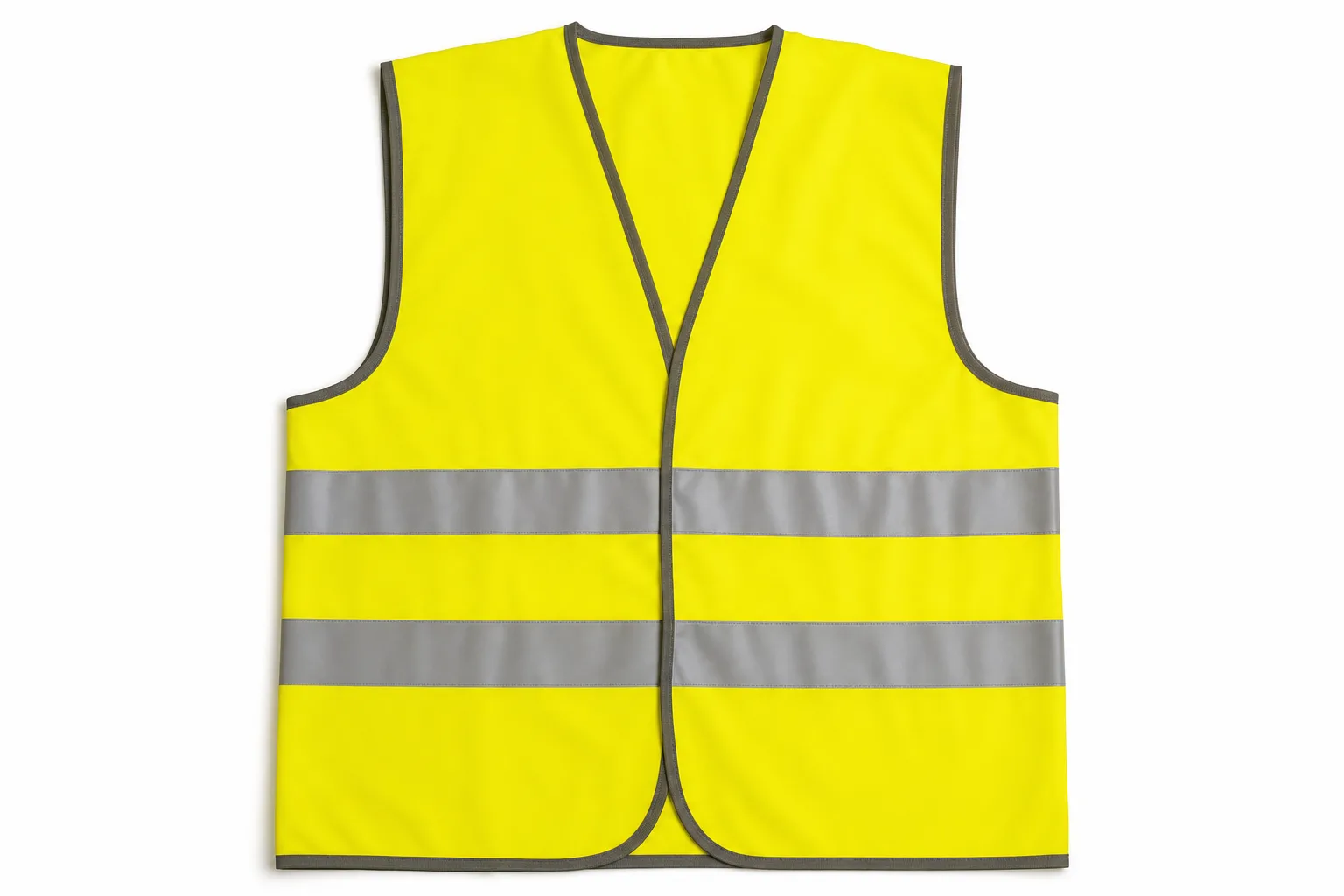
At a place where stopping and parking are prohibited, who is required to wear a safety vest when getting out of the vehicle?
🛣️Practise Special situations (motorway, tunnels, difficult conditions, eco-driving)
Exam-style questions on this theme, with corrections and explanations — plus the full bank with access.
❓ Frequently asked questions
Which number should you dial after an accident in Belgium?
112, the European emergency number, for the fire brigade and medical assistance. It is free and works from any phone. For the police only, dial 101.
Can I pull an injured person out of the crashed car?
No, except in the case of immediate danger such as a fire or a risk of explosion. Otherwise, wait for the emergency services: a clumsy movement can seriously worsen a spinal injury.
Do I have to fill in an accident statement even for minor damage?
Yes, it is strongly recommended whenever there is material damage. The European accident statement describes the facts for the insurers; filling it in at the scene avoids later disputes.
What are the penalties for a hit-and-run offence?
Hit-and-run is a serious offence, punished by heavy fines and a possible driving disqualification, even with no one injured. Every driver involved must stop, remain at the scene and identify themselves.