⏱️ 4 min read
Adapting your speed
Sticking to the posted limit is not enough. Belgian law requires you to drive at a speed you genuinely have under control, taking into account rain, fog, a wet road or pedestrians nearby. This obligation to adapt your speed is one of the most frequently tested concepts in the theory exam, and one of the most misunderstood.
📑 In this lesson (5)
Posted limit and adapted speed: two different things
The speed limit (for example 90 km/h) is a maximum that must never be exceeded. The adapted speed, on the other hand, is the speed that the circumstances of the moment actually allow you to maintain. In rain, in fog or near a school, the adapted speed is often well below the posted limit.
Being able to stop within the distance you can see
The principle is simple: your speed must allow you to stop within the limits of your field of vision. If you can only see the road for 50 metres — because of a bend, a hill crest, fog or darkness — you must be able to stop within those 50 metres, without relying on luck.
At night, outside built-up areas, your speed must therefore take into account the range of your lights. If your dipped headlights only illuminate a short distance, you cannot drive at a pace that exceeds that range.
To the circumstances: what should make you slow down
Your speed must be adapted to all the conditions of the moment. The main factors to watch out for are:
- The weather: rain, snow, black ice, strong crosswind. A wet carriageway greatly increases braking distance.
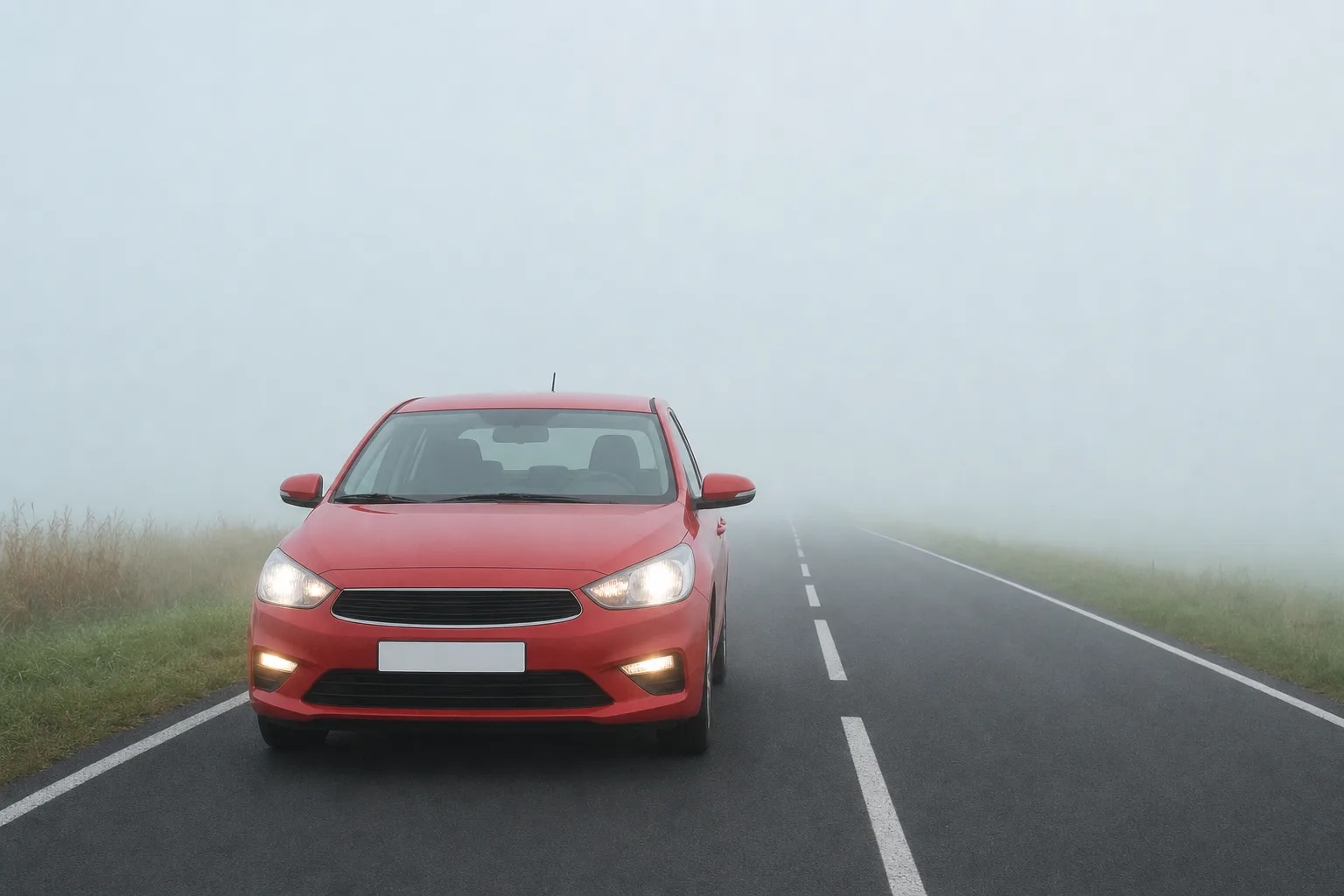
- Visibility: fog, driving rain, darkness, low sun, smoke.
- The condition and layout of the road: worn surface, loose gravel, fallen leaves, bends, descents, narrow carriageway.
- Traffic density: heavy traffic, queues, the approach to a junction, a motorway exit.
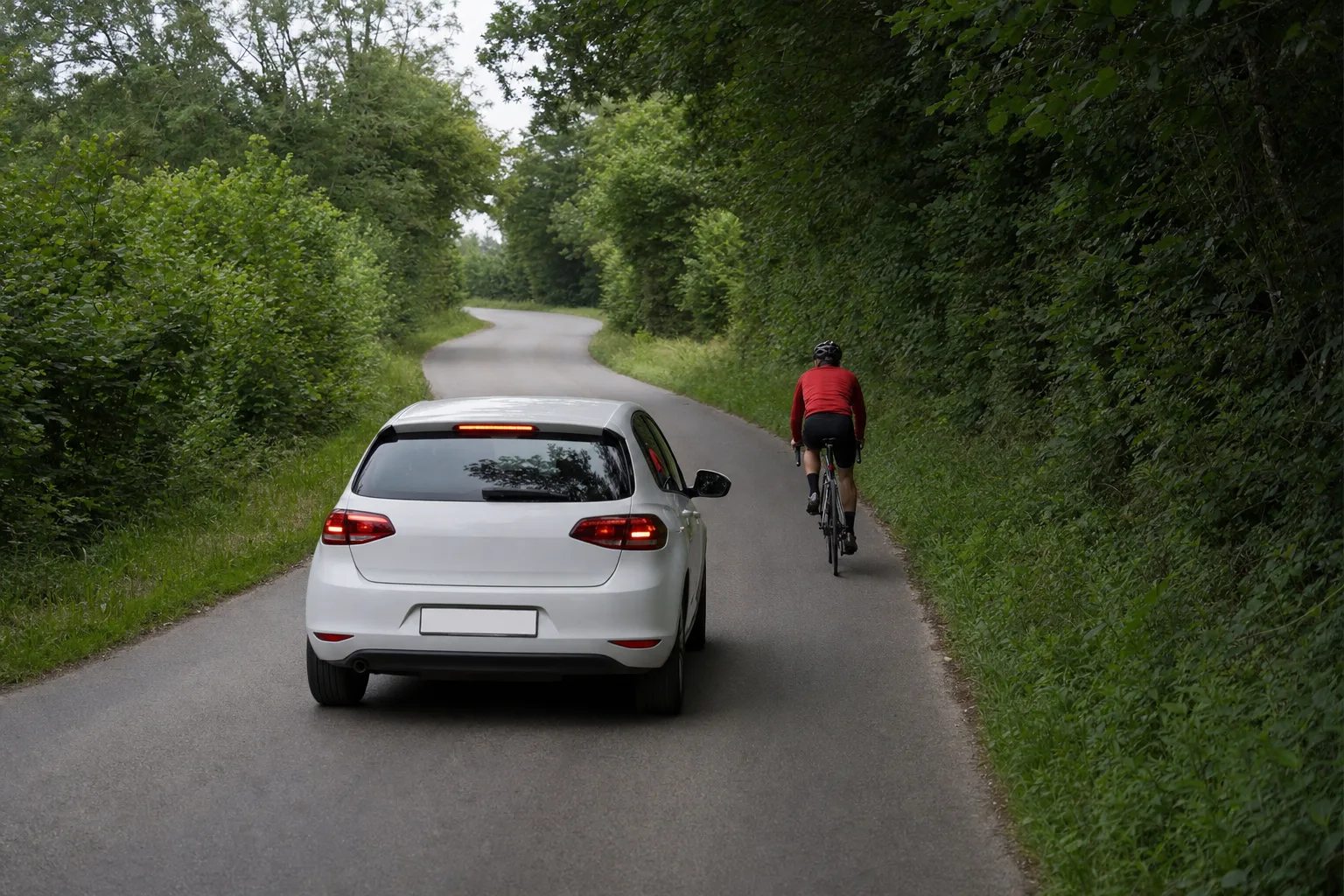
- The presence of vulnerable road users: pedestrians, children, elderly people, cyclists, school surroundings, residential areas.
- The condition of your vehicle and its load: worn tyres, less effective braking, a heavy or poorly distributed load.
Foreseeable obstacles
The law refers to a foreseeable obstacle. A pedestrian crossing near a crossing point, a child darting out from between parked cars, a cyclist swerving out, a queue braking suddenly: these are situations that every attentive driver must anticipate. Adapting your speed means giving yourself the means to react to these obstacles without hitting them.
Too slow is prohibited too
Adapting your speed does not mean driving excessively slowly. An abnormally reduced speed, without a valid reason, that obstructs or endangers other road users is also prohibited. On dual carriageways and motorways, braking or slowing down sharply without necessity is dangerous too.
| Circumstance | Expected response |
|---|---|
| Rain, wet carriageway | Slow down, increase your safety distance |
| Fog, reduced visibility | Reduce speed sharply and be able to stop within the distance you can see |
| School surroundings, children | Ease off, be ready to brake |
| Blind bend | Adjust your pace to what you can see |
| Heavy traffic, queue | Match your speed to that of the traffic flow |
| Clear, dry road | Do not drive abnormally slowly for no reason |
🧠 Check you've got it
Question 1 / 3
3 exam-style questions on this lesson — instant correction.
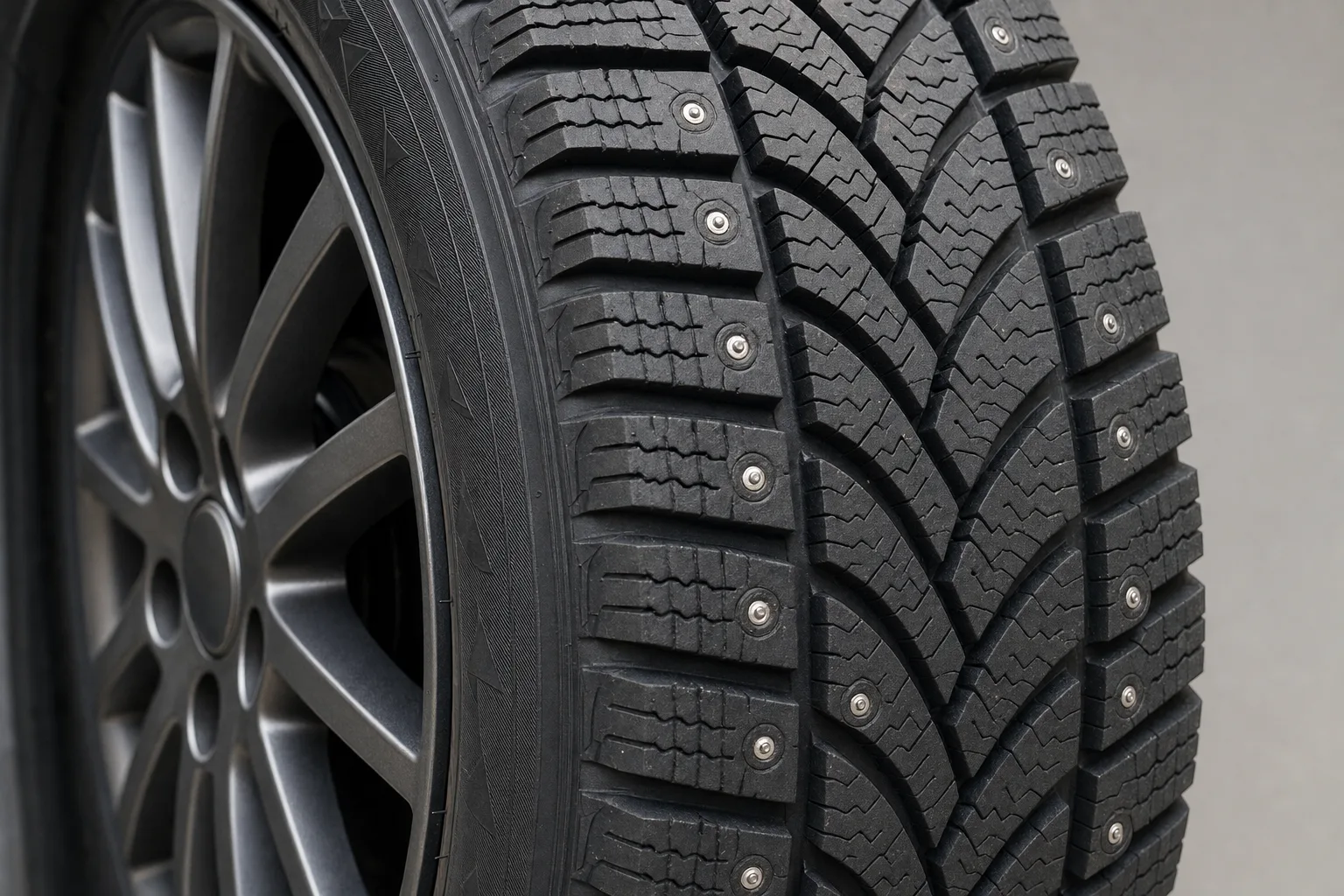
What is the maximum speed allowed on an ordinary road when driving with studded tyres?
🏎️Practise Speed and safe following distances
Exam-style questions on this theme, with corrections and explanations — plus the full bank with access.
❓ Frequently asked questions
Can I drive at the maximum speed if it is raining or foggy?
No. The limit is a maximum that must never be exceeded, but it does not take the weather into account. In rain or fog, you must slow down to remain in control of your vehicle and be able to stop in time.
What does "being able to stop within the visible distance" mean?
It means your speed must always allow you to bring the vehicle to a halt within the stretch of road you can actually see ahead of you. If you can only see a short distance (bend, fog, night), you must slow down accordingly.
Is driving too slowly an offence?
Yes, when that slowness is abnormal and without a valid reason, and it obstructs or endangers other road users. On motorways in particular, an excessively low speed disrupts traffic and is prohibited.
Can you be penalised even while staying under the posted limit?
Yes. A speed unsuited to the circumstances remains a fault, even below the legal limit. In the event of an accident, driving too fast for the conditions can make you liable.