The public highway and the scope of the highway code
Before even talking about priority, speed or overtaking, you need to know where the highway code applies. Everything starts from one central notion: the public highway. The Belgian highway code only has force on the public highway and on certain grounds open to everyone. Understanding this limit means knowing when the rules actually bind you — a distinction that comes up regularly in the theory exam.
📑 In this lesson (4)
What the public highway is
The public highway is any road open to public traffic, that is, accessible to everyone without distinction. It does not matter who owns it: what counts is that it can be freely used by road users. A street, a regional road, a motorway or a municipal path are all public highways.
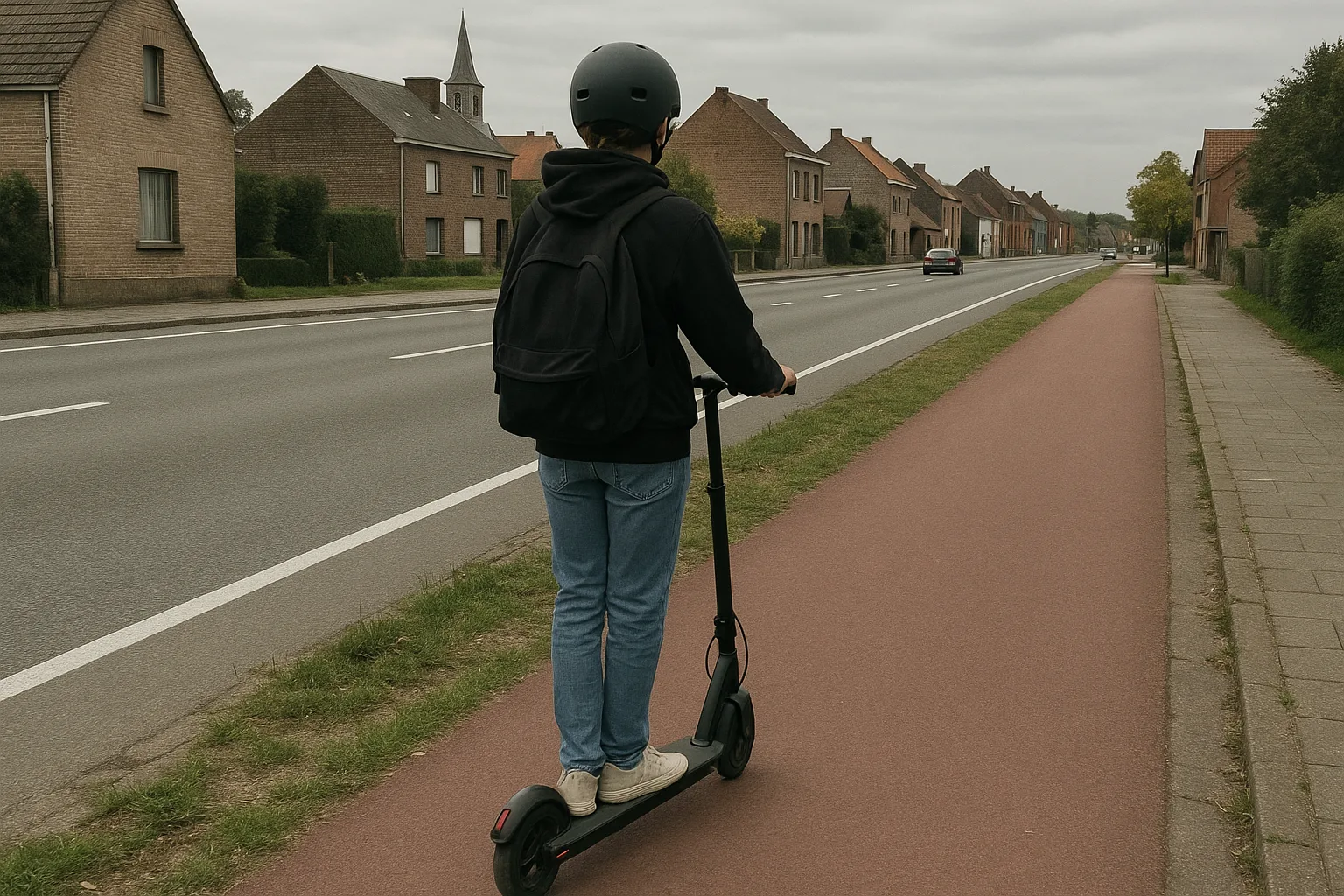
Alongside the public highway in the strict sense, two other types of space must not be confused with it:
- Ground open to public traffic: a private space that is nevertheless accessible to everyone, such as the car park of a shop, a shopping centre or a petrol station.
- Ground not open to the public: a private, closed space, such as a courtyard, a garage or a fenced-off property reserved for its owner.
Where the highway code applies
The Belgian highway code applies on the public highway and on private paths and grounds open to a certain number of users, that is, accessible to the public. On the other hand, it does not apply on closed private ground, where the owner remains in charge.
- On the public highway: the code applies in full (priority, speed, signs, parking…).
- In a shop car park (ground open to the public): the traffic rules also apply, because the place is accessible to everyone.
- On closed private ground (courtyard, private garage): the highway code does not apply.

The physical extent of the public highway
The public highway is not limited to the carriageway where cars drive. It includes the full width open to traffic, from one property boundary to the other. Several parts can be distinguished within it, each reserved for certain users:
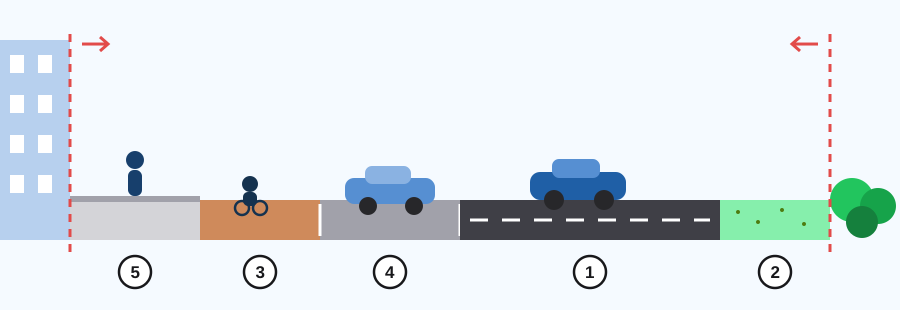
| No. | Part | Main use |
|---|---|---|
| 1 | Carriageway | Vehicle traffic |
| 2 | Verges | Side strips along the carriageway |
| 3 | Cycle paths | Cyclists (and mopeds in some cases) |
| 4 | Parking areas | Stationary vehicles |
| 5 | Pavements | Pedestrians |
The public highway extends up to the property boundary: depending on the location, up to the building façades, up to the ditch, up to the hedge or fence bordering the road. Everything within these limits that is open to traffic forms part of the public highway.
The special case of the tram driver
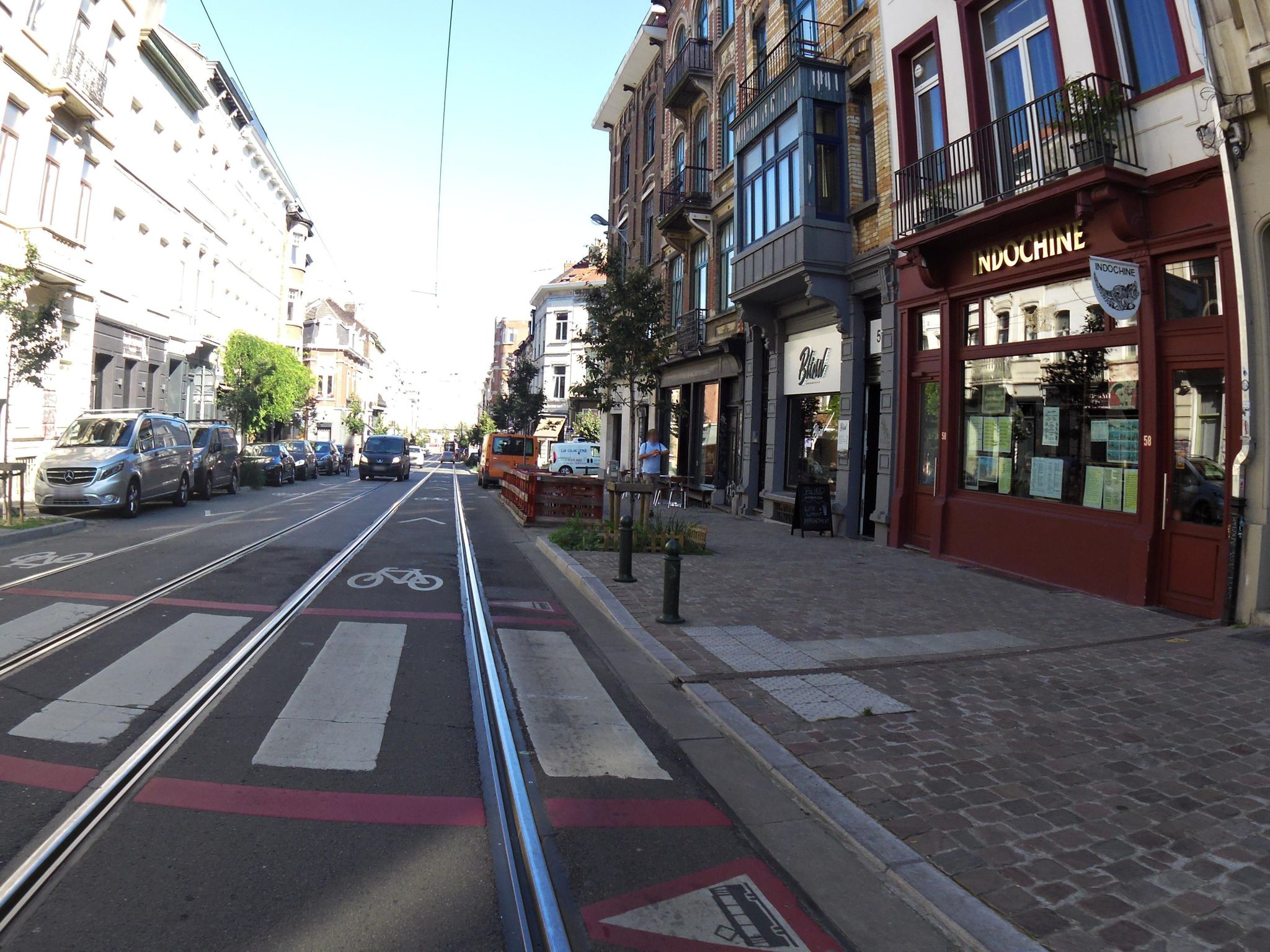
The tram driver holds a special place in the highway code. Because the tram runs on rails and can neither leave them nor stop as quickly as a car, the driver is not subject to all the rules of the code. They must obey only two things:
- The instructions of authorised officials (police, authorised marshals).
- The traffic light signals (the lights) that apply to them.
As for the rest of the signage — priority, signs, road markings — the tram is not bound by it. This is precisely why the tram has, in practice, priority over other road users: they must anticipate that it cannot give way the way a car would.
🧠 Check you've got it
Question 1 / 3
3 exam-style questions on this lesson — instant correction.
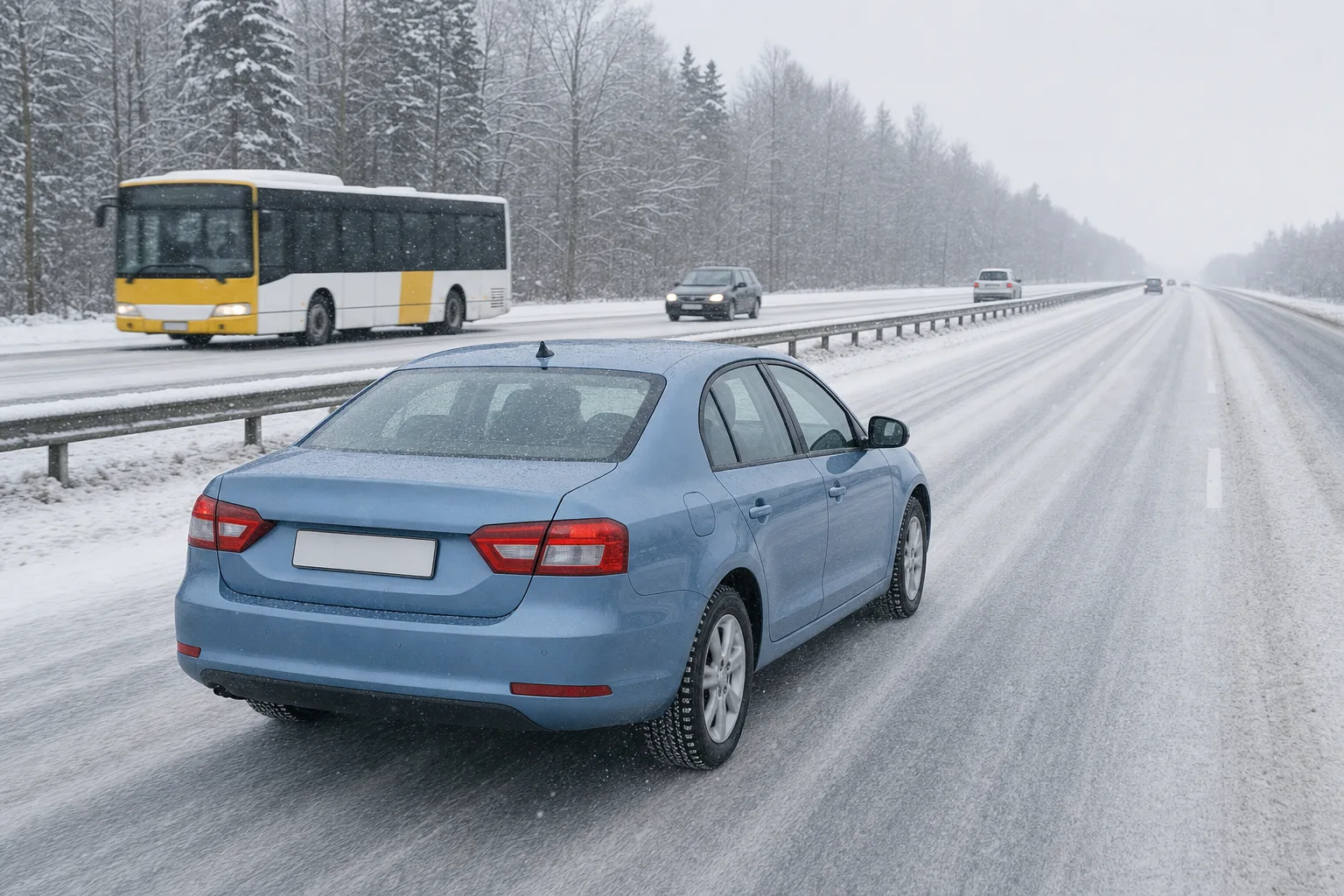
What is the maximum speed at which a car fitted with studded tyres may drive on a road with two carriageways of two lanes each, separated by a central reservation?
🛣️Practise Special situations (motorway, tunnels, difficult conditions, eco-driving)
Exam-style questions on this theme, with corrections and explanations — plus the full bank with access.
❓ Frequently asked questions
Does the highway code apply in a supermarket car park?
Yes. A shop car park is ground open to public traffic: it is accessible to everyone. The highway code therefore applies there in full, including the rules on priority and caution. Only closed private grounds fall outside it.
Is the pavement part of the public highway?
Yes. The public highway extends up to the property boundary and includes the carriageway, verges, cycle paths, parking areas and pavements. The pavement, reserved for pedestrians, is therefore an integral part of it.
Must the tram driver comply with all traffic signs?
No. The tram driver is subject only to the instructions of authorised officials and to traffic light signals. They are not bound by other signs or by the ordinary priority rules, which is why other road users must leave the way clear for them.