⏱️ 4 min read
Who is a driver? The legal definition
Before even talking about priorities, speed or parking, you need to know who the law calls a "driver". This definition is no small detail: it determines who all the obligations of the Belgian highway code apply to. The driver is not just the motorist: cyclists, horse riders and herders are drivers too. Understanding this boundary, especially with pedestrians, is the foundation of the whole theory.
📑 In this lesson (4)
The legal definition (article 2)
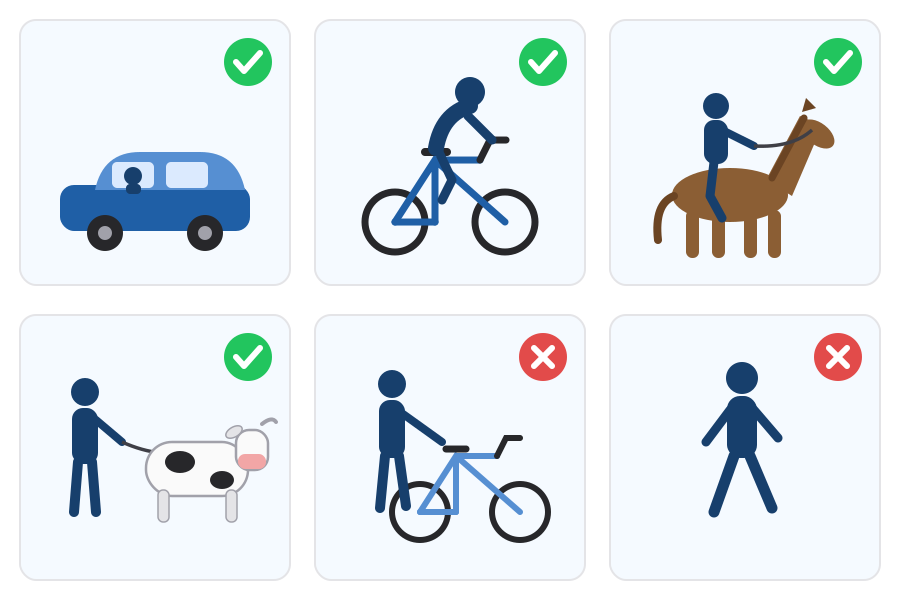
The Belgian highway code defines the driver in its article 2 (definitions). A driver is any person who drives a vehicle or who leads or tends animals — draught, pack or saddle animals, or livestock — on the public highway. This definition therefore covers two broad categories of people moving on the road, well beyond motorists alone.
- Anyone who drives a vehicle, of any kind, on the public highway.
- Anyone who leads or tends draught, pack or saddle animals, or livestock.
Non-motorised or motorised vehicle: both count
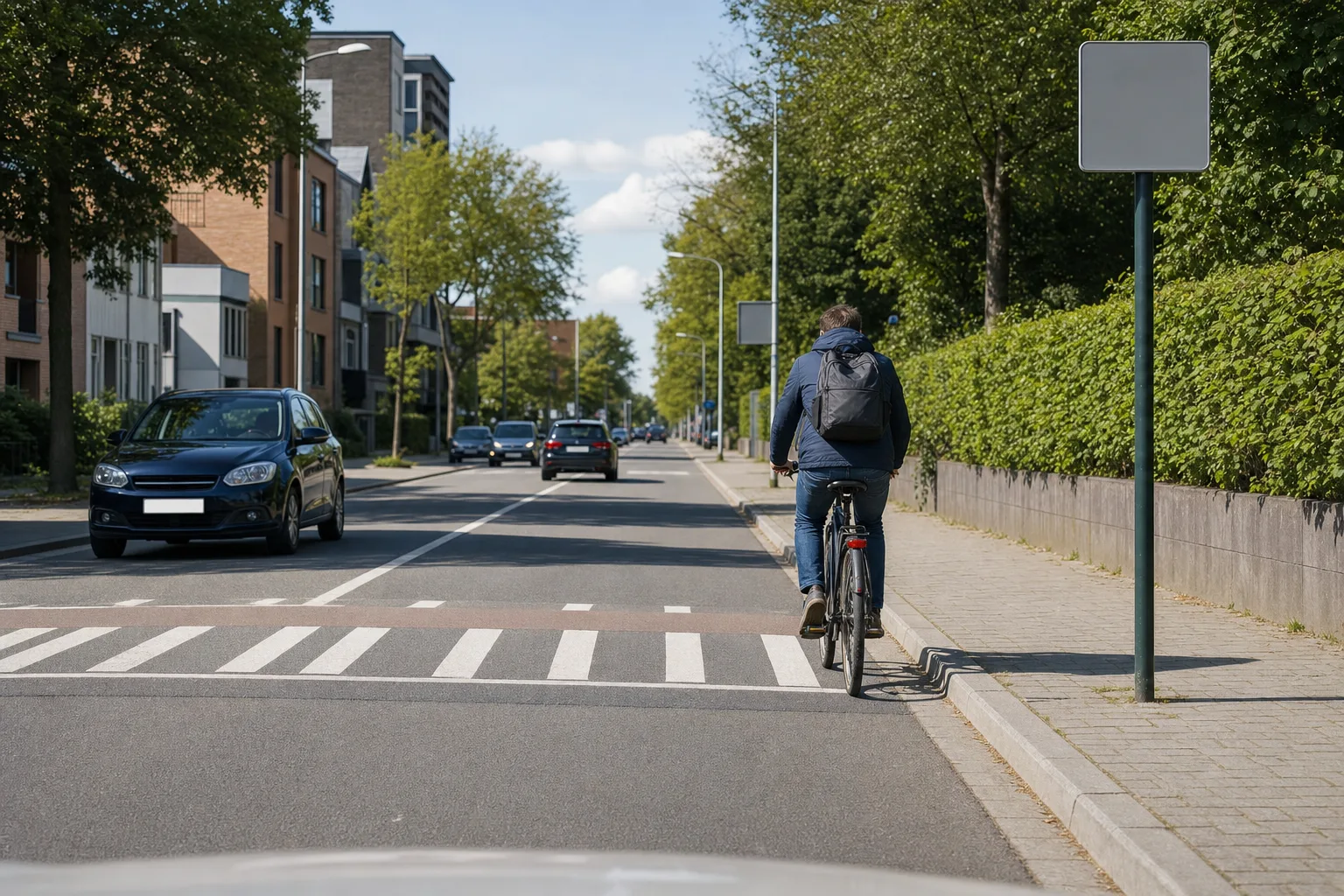
The law makes no distinction between motorised and non-motorised vehicles when it comes to recognising a driver. Anyone at the controls of a car, a motorcycle or a moped is a driver; but anyone riding a bicycle or driving a horse-drawn vehicle (cart, carriage) is one just as much. They all occupy the carriageway with a vehicle and must obey the traffic rules.
| Type of vehicle | Examples |
|---|---|
| Non-motorised | Bicycle, horse-drawn vehicle, animal-drawn cart |
| Motorised | Car, motorcycle, moped, lorry |
Horse riders and animal herders are drivers
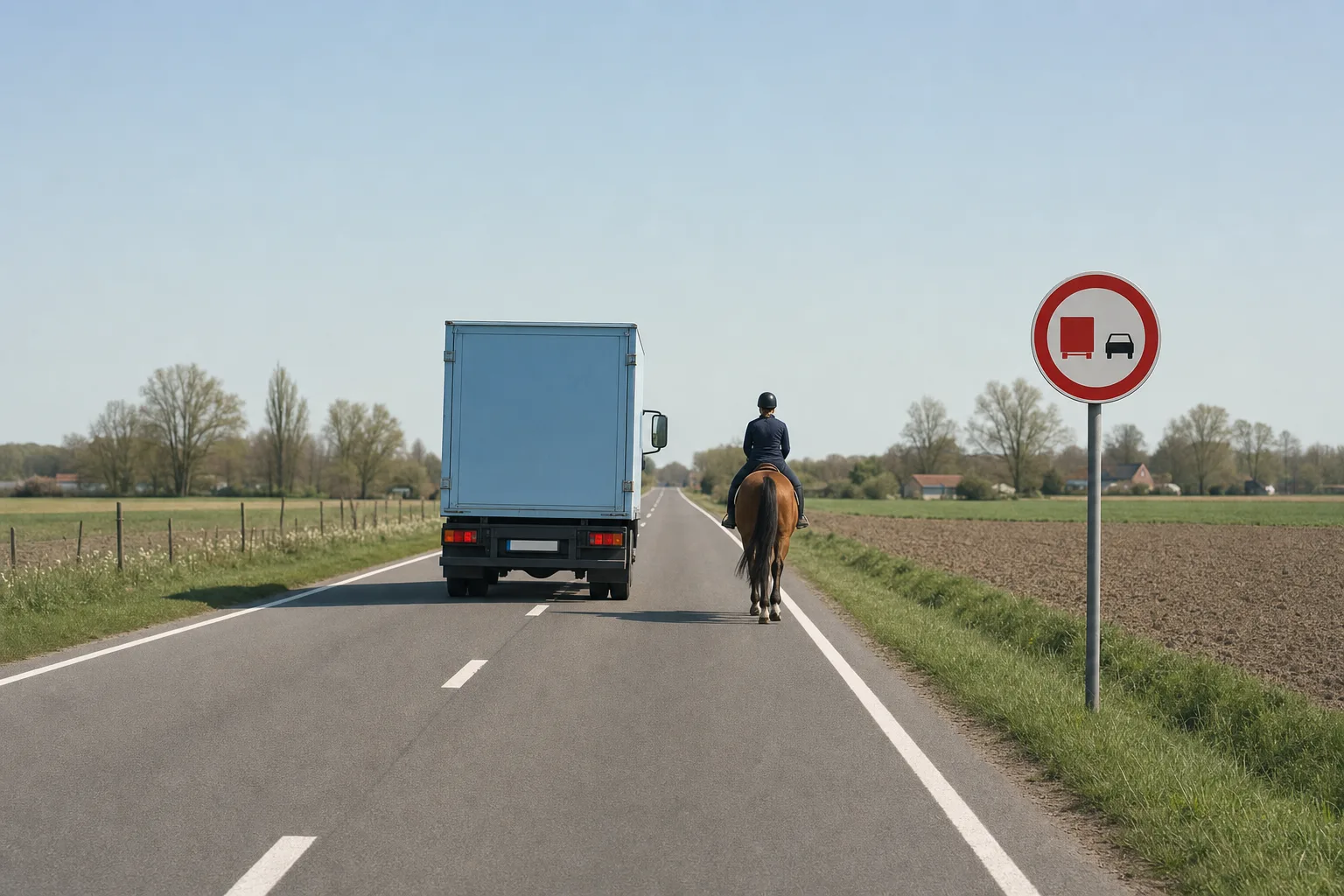
This is one of the most counter-intuitive points of the highway code: the person on horseback (the rider) and the person leading a herd or a draught animal are drivers, not pedestrians. They move with or on an animal on the public highway: as such, they must follow the traffic rules that apply to drivers (position on the carriageway, priorities, signage).
Consequence: who is subject to the driver's obligations
As soon as you are a "driver" within the meaning of article 2, all the obligations of the Belgian highway code that apply to drivers fall on you: give way according to the priority rules, obey traffic lights and signage, keep control of your vehicle or your animal, and — for motor vehicles — never drive under the influence of alcohol or drugs. The boundary between the driver and the pedestrian is therefore decisive.
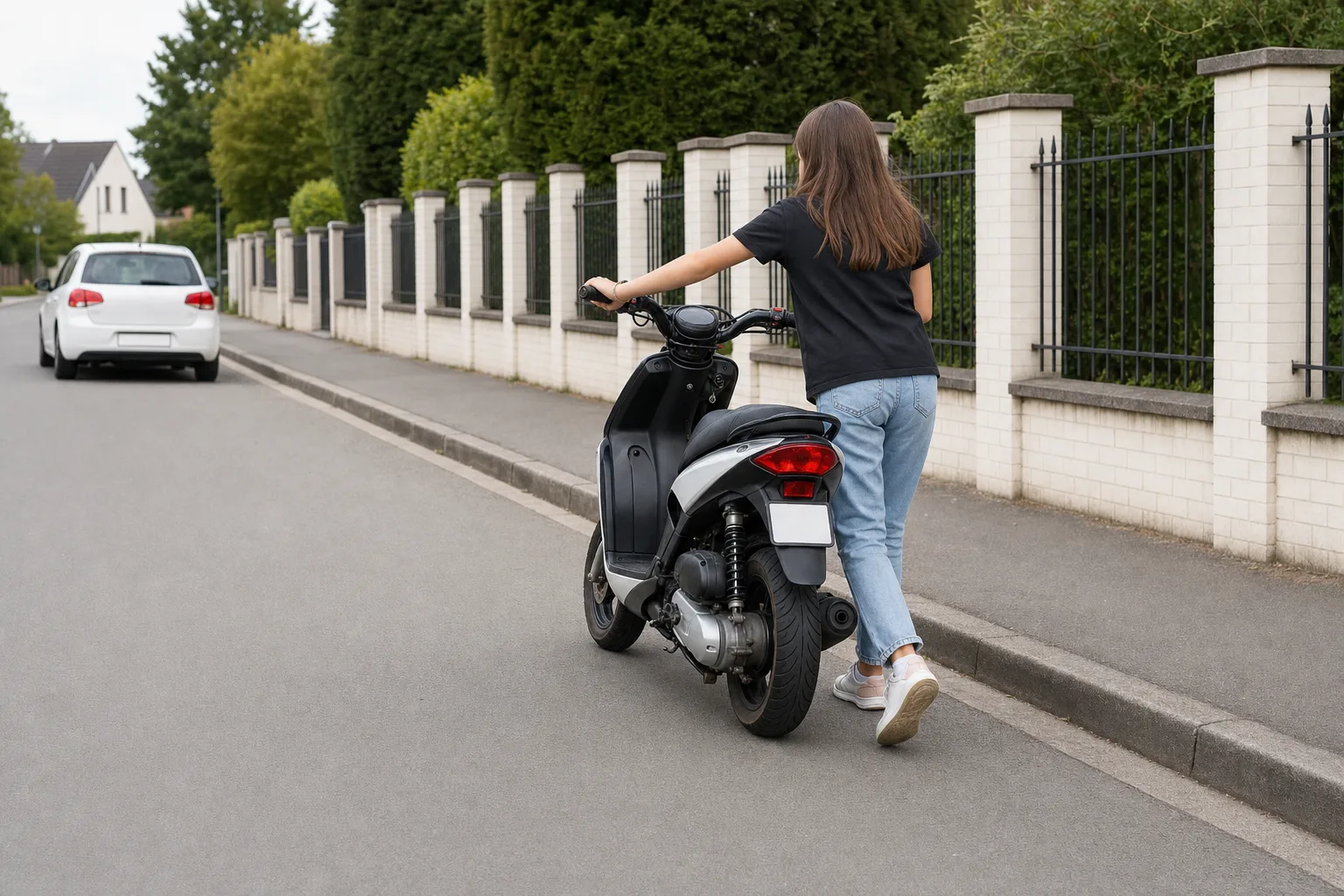
The tipping point is the use made of the vehicle. Anyone who drives a vehicle is a driver; but anyone who pushes a bicycle or a moped by hand — without riding it — is treated as a pedestrian and must use the pavement or the verge. The same person therefore changes status depending on whether they ride or walk alongside their machine.
- You are riding a bicycle → you are a driver (carriageway or cycle path, drivers' rules).
- You are pushing your bicycle by hand → you are treated as a pedestrian (pavement, pedestrians' rules).
🧠 Check you've got it
Question 1 / 3
3 exam-style questions on this lesson — instant correction.
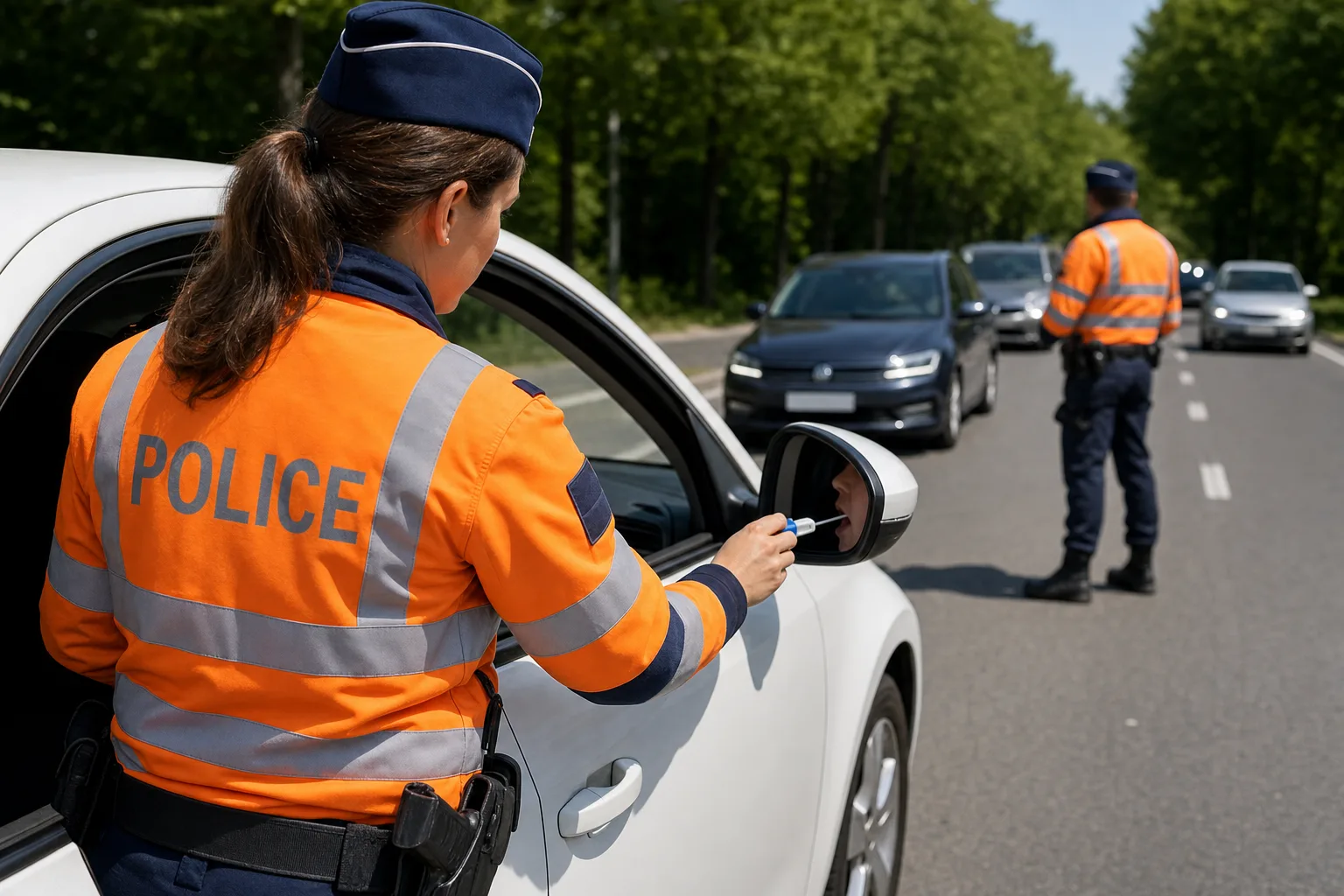
The police can subject any driver to a breath test for alcohol. Is the same true for the saliva test?
🍺Practise Driver fitness (alcohol, drugs, fatigue)
Exam-style questions on this theme, with corrections and explanations — plus the full bank with access.
❓ Frequently asked questions
Is a cyclist a driver?
Yes. As soon as you ride a bicycle on the public highway, you are driving a (non-motorised) vehicle and are therefore a driver within the meaning of article 2. You must obey traffic lights, priority rules and the direction of traffic like any driver.
Is a horse rider considered a pedestrian or a driver?
A driver. The person on horseback, like the person leading draught animals or a herd, is a driver under article 2 of the Belgian highway code. They are therefore subject to the traffic rules for drivers, not those for pedestrians.
Am I still a driver if I push my bicycle by hand?
No. When you push your bicycle or moped by hand without riding it, you are treated as a pedestrian: you must use the pavement or the verge and follow the pedestrians' rules. You become a driver again as soon as you ride.